
Life after driving: keeping a parent active and independent
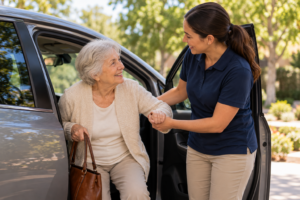 For many older adults, the car keys represent freedom. Giving up driving means no more spontaneous trips to the store, no more driving to see friends, and no more getting to church without asking someone for a ride. It’s one of the hardest transitions of aging.
With the right plan, though, a parent can keep living a full life after they stop driving, and home care assistance is one of the most practical tools to make that happen.
Why giving up driving hits so hard
Driving is tied to identity and independence. Many seniors have driven for 60 years or more. Losing that ability can feel like losing control over their own lives. Some parents resist giving up the keys long after it’s safe to keep driving because they fear the isolation that follows.
That fear is reasonable. Without transportation, older adults often stop going to places they enjoy. They skip social events, put off errands, and may even miss medical appointments. Over time, staying home can lead to loneliness, depression, and declining health.
Signs it may be time to stop
Talking about driving is easier when you have specific observations.
Watch for:
-
New dents or scrapes on the car or garage
-
Getting lost on familiar routes
-
Close calls, near misses, or tickets
-
Trouble judging distance or merging into traffic
-
Slow reaction times or confusion at intersections
-
Friends or neighbors expressing concern
-
Medical conditions or medications that affect vision, alertness, or reflexes
If you’re unsure, your parent’s doctor can help. Many hospitals and rehabilitation centers also offer driving evaluations by occupational therapists, which give an objective assessment. Some families find that an outside evaluation takes the pressure off the relationship.
Planning before the keys are handed over
The best time to plan for life without driving is before it’s needed. Sit down with your parent and list every place they go regularly: the grocery store, pharmacy, doctor’s office, hair salon, church, senior center, a friend’s house. Then work out how each trip will happen in the future.
That plan might include family members, friends, public transit, ride services, community senior shuttles, and a caregiver.
Having a plan makes the conversation less about loss and more about how life will continue. Put the plan on paper and post it on the refrigerator, with names and phone numbers for each type of trip, so your parent always knows who to call.
How a caregiver keeps a parent on the move
A caregiver who drives can take over many of the trips your parent used to make alone. Unlike a taxi or ride service, a caregiver stays with your parent, which helps if they’re unsteady, have trouble with stairs, or need someone to help carry groceries.
Common outings include:
-
Grocery shopping and running errands
-
Medical and dental appointments, with help remembering what the doctor said
-
Hair and nail appointments
-
Religious services and social clubs
-
Lunches out, visits to friends, and family events
-
Trips to parks, libraries, and community centers
Ask the agency about its transportation policies. Some caregivers drive the client’s car, while others use their own vehicle, and mileage may be billed separately.
Keeping social ties strong
The biggest risk after giving up driving is isolation. Regular outings help your parent keep friendships and routines that give their week meaning.
A standing weekly lunch with friends, a weekly trip to the senior center, or a monthly book club can make a big difference. A caregiver can make sure those plans actually happen, instead of being canceled because no one could drive.
At home, caregivers can also help your parent stay connected through phone and video calls, especially with family who live far away.
Making the conversation easier
Few people want to hear that they should stop driving. Approach the subject with respect, and focus on safety, not age. Use specific examples rather than generalizations. Acknowledge how hard this is.
And above all, come prepared with solutions, so your parent can see how they’ll still get where they want to go.
Some parents agree to limit driving first, such as no night driving or highway driving, before stopping completely. That gradual approach can help everyone adjust.
What about the car?
Once your parent stops driving, decide what to do with the car. Some families keep it so a caregiver can use it for errands, which feels familiar and comfortable for the parent.
Others sell it and put the money toward transportation and care. If memory loss is involved, keep keys out of sight, since a parent with dementia may forget they’ve stopped driving.
Independence without the keys
Giving up driving doesn’t have to mean giving up a full life. With planning, a reliable support network, and home care assistance that includes transportation, your parent can stay active, social, and engaged in their community.
If your family is facing this transition, ask an agency how home care assistance could help your parent keep going to the places that matter most to them.
If you or a senior family member are considering home care assistance in Fair Lawn NJ, please contact the caring staff at Caring Solutions Home Care LLC. In-home senior care servicing Bergen & Passaic Counties.
Call today (973) 427-3553.


I started my career as an ICU nurse over 30 years ago. I have functioned as an educator and preceptor mentoring new nurses in the clinical arena. I have sat on many Patient Care committees authoring a variety of patient care protocols.
In 2007, I saw an opportunity to improve the delivery of patient care services in the home and founded Caring Solutions Home Care. Over the last 10 years I have functioned as the Director of Nursing overseeing all client care, administrative and personnel operations.
- Life after driving: keeping a parent active and independent - October 21, 2026
- Five Reasons a Positive Attitude Helps Seniors - October 7, 2026
- How 24-Hour Home Care Helps Families Navigate Intensive Care Needs - September 16, 2026